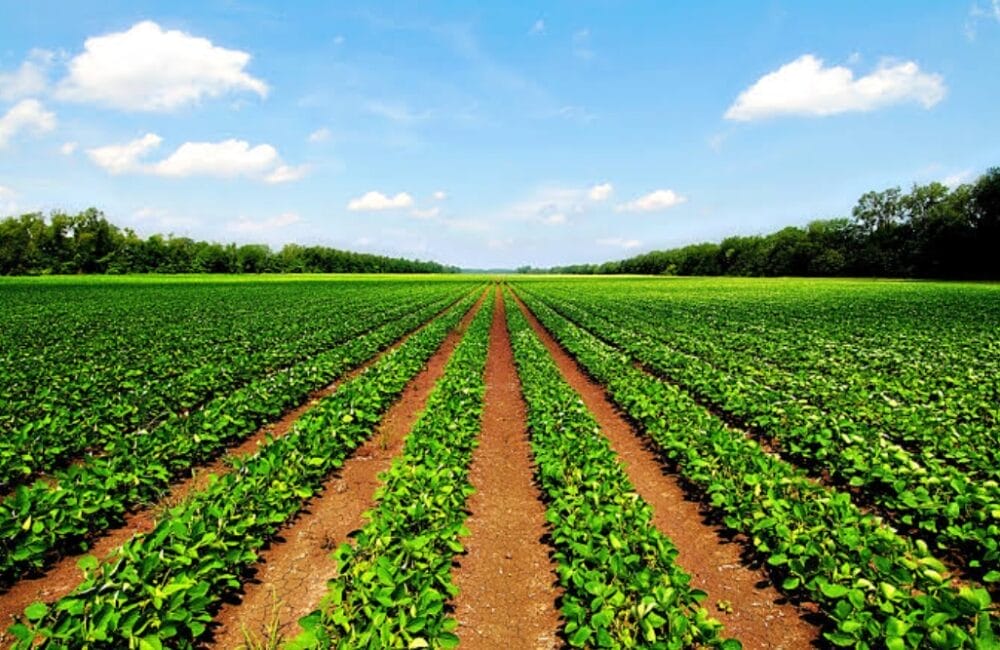
Agriculture Problems in India
Agriculture has always been the backbone of the Indian economy. Nearly half of India’s population depends directly or indirectly on farming for their livelihood. Despite its importance, Indian agriculture faces numerous problems that affect productivity, farmer income, and food security.
These challenges are a mix of natural, economic, technological, and policy-related issues. Understanding these problems is crucial for finding sustainable solutions and ensuring the future of Indian farming.
Table of Contents
1. Dependence on Monsoon
One of the biggest problems of agriculture in India is its heavy dependence on the monsoon. A large portion of cultivated land is rain-fed, meaning it relies entirely on seasonal rainfall. Irregular or insufficient monsoon rains often lead to droughts, crop failures, and farmer distress. On the other hand, excessive rainfall can cause floods, damaging crops and soil fertility. This uncertainty makes farming a high-risk activity.
2. Small and Fragmented Land Holdings
Over the years, agricultural land in India has been divided among generations, resulting in small and fragmented land holdings. Most Indian farmers own less than two hectares of land. Such small plots make it difficult to adopt modern farming techniques, use large machinery, or practice crop diversification. This directly affects productivity and income.




3. Low Productivity
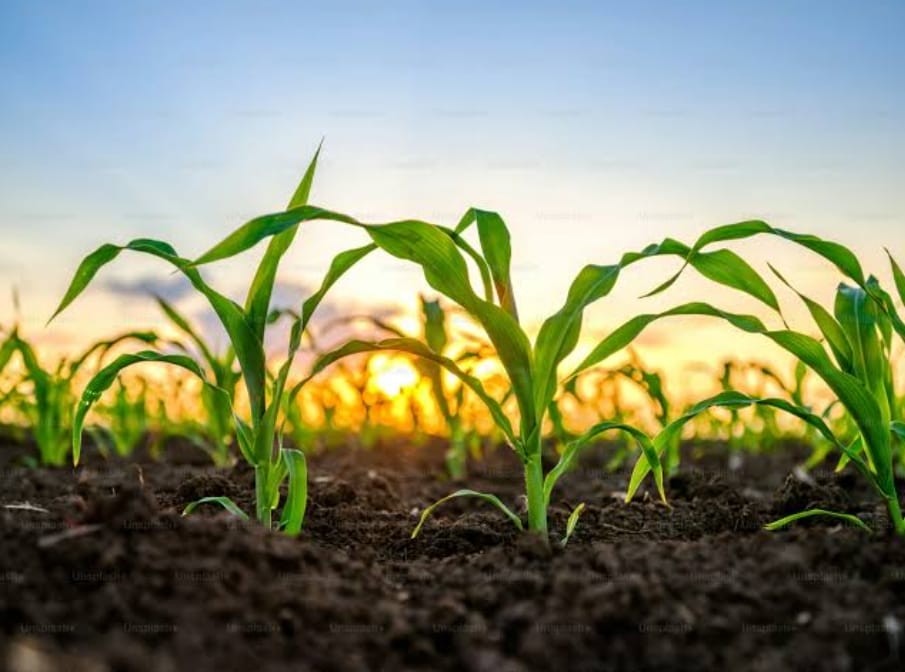
Compared to many developed and even developing countries, India’s agricultural productivity remains low. Factors such as poor soil health, limited access to quality seeds, outdated farming practices, and insufficient irrigation contribute to low yields. Inadequate use of fertilizers and improper crop management also reduce overall output.
Alao Read:Vermicompost Business Plan: A Profitable Organic Farming Opportunity
4. Lack of Modern Technology
Although agricultural technology has advanced significantly, its adoption in India is still limited. Many farmers, especially small and marginal ones, lack access to modern machinery, precision farming tools, and digital technologies. High costs, lack of awareness, and limited training prevent farmers from using innovations like drip irrigation, soil testing, drones, and smart farming apps.
5. Soil Degradation and Water Scarcity
Continuous farming without proper soil management has led to soil degradation in many regions. Excessive use of chemical fertilizers and pesticides has reduced soil fertility and microbial activity. Water scarcity is another serious issue. Over-extraction of groundwater, inefficient irrigation methods, and declining water tables have made water management a major challenge for agriculture.
6. High Cost of Inputs
The rising cost of agricultural inputs such as seeds, fertilizers, pesticides, electricity, and diesel places a heavy financial burden on farmers. Often, crop prices do not increase in proportion to input costs, reducing profit margins. Many farmers are forced to take loans, leading to debt cycles and financial stress.
7. Market and Price Issues
Indian farmers often face problems related to marketing their produce. Lack of proper storage facilities, cold chains, and transportation results in post-harvest losses. Farmers are frequently forced to sell their crops at low prices due to middlemen and lack of access to direct markets. Price fluctuations and inadequate minimum support prices (MSP) further add to income instability.
8. Inadequate Credit and Insurance Facilities
Although several government schemes aim to provide institutional credit, many small farmers still depend on local moneylenders who charge high interest rates. Crop insurance schemes exist, but issues like delayed claim settlements, lack of awareness, and limited coverage reduce their effectiveness. As a result, farmers remain vulnerable to natural disasters and market risks.
Also Read:Mushroom Agriculture : A Complete Beginner friendly guide
9. Impact of Climate Change
Climate change has intensified agricultural problems in India. Rising temperatures, changing rainfall patterns, frequent droughts, floods, and extreme weather events have made farming more unpredictable. Crops are increasingly affected by pests and diseases due to changing climatic conditions, leading to yield losses.
10. Lack of Education and Extension Services
Many farmers lack access to proper agricultural education and extension services. Limited training on modern farming methods, crop diversification, and sustainable practices restricts their ability to improve productivity. Strengthening extension services is essential for transferring knowledge from research institutions to farmers’ fields.
Way Forward: Solutions for Sustainable Agriculture
To overcome these challenges, a multi-dimensional approach is needed. Expanding irrigation facilities, promoting water-efficient practices like drip and sprinkler irrigation, and improving rainwater harvesting can reduce monsoon dependence. Encouraging land consolidation, farmer-producer organisations (FPOs), and cooperative farming can help small farmers achieve economies of scale.
Promoting organic farming, balanced fertilizer use, and soil health cards can restore soil fertility. Investment in agricultural research, technology adoption, and digital platforms can modernize farming practices. Strengthening market infrastructure, e-NAM platforms, storage facilities, and direct farmer-to-consumer models can improve price realization. Lastly, climate-resilient crops, effective insurance schemes, and timely credit support can safeguard farmers against risks.
Frequently Asked Questions (FAQ)
1. What is the biggest problem faced by Indian agriculture?
The biggest problem is dependence on the monsoon, which makes farming vulnerable to climate variability and crop failures.
2. Why are Indian farmers’ incomes low?
Low productivity, high input costs, small land holdings, market inefficiencies, and price fluctuations contribute to low farmer incomes.
3. How does climate change affect agriculture in India?
Climate change causes irregular rainfall, extreme weather events, increased pests, and crop diseases, leading to yield losses and uncertainty.
4. What role does technology play in solving agricultural problems?
Modern technology improves productivity, reduces input costs, conserves resources, and helps farmers make better decisions through data and precision farming.
5. How can the government help improve agriculture?
The government can invest in irrigation, research, infrastructure, market reforms, crop insurance, and farmer education to strengthen the agricultural sector.
Also Read:Brinjal Health Benefits: Nutrition, Uses, and Why You Should Eat It Regularly